Wednesday, January 30, 2008
Just desserts, Peaceable's menu #6
Tuesday, January 29, 2008
Vivi Cooks #10 over Two Days
We are a potato-leek soup household, and this version of potato-leek soup was particularly good. I was surprised how much it sticks to your ribs, after pureeing and then sieving out the solids -- of course, the cup of crème fraiche doesn't hurt, for flavor or rib-sticking. I should add that we cheated and ate it warmed, not chilled. It is January, people!
The Chicken, Basque-style was also very tasty. Brother asks at every meal how much work the dish was to make, and takes effort into account alongside flavor. In other words, the Guinea Hen dish, while tasty, was marked down due to the vastly more than usual number of pans and pots to cook, and the hours and tediousness of preparation. This Basque Chicken, however, was really no more difficult than any pan-fried chicken. (Well, aside from the usual Cordon Bleu extra pans and warming plates.)
I really liked the Rice Pilaf, more so apparently than the Bride did. Easy and aromatic. I too made it with brown rice (but ran out, so about 1/3 of the rice was brown Jasmine rice, so perhaps that helped the aromaticity). The recipe called for a huge amount -- I didn't think about that when I was cooking. However, it is plain enough that we can serve the leftovers with other food later this week.
Monday, January 28, 2008
The Bride Triumphs Over Pots and Pans, Menu 10
However, the Poulet Basquaise was really good. It was the kind of meal I often cook, but it was particularly delicious. It also dirtied several pans and platters and left the cooktop (where it spattered) looking horrible.
The rice pilaf was ho-hum on its own, but a pleasant accompaniment. Maybe it would have been better had I used the recommended butter and white rice. Brown rice and a judicious omission of butter from the chicken and rice, made it healthier. I think some saffron might have been a nice addition.
The apple tart was also really delicious - the under layer of applesauce with a bit of vanilla and sugar - added an important depth of flavor without making the crust soggy. It also dirtied yet another pan. I cleaned the cooktop surface before making the apricot glaze (another dirty pan and strainer) for the apple tart, so you see a pristine background for this picture. I will do that method again, despite the extra step of making applesauce, because it was worth the effort.
I used the food processor to make the pastry and to slice the apples evenly. Yah, technology!
Pineapple Sideways Sorbet
(Sort of like Pineapple Upside Down Cake, but different). I made the pineapple sorbet a few weeks ago, but I accidentally made a movie rather than a photo. And the image was sideways and I can't rotate movies, so I didn't include it. But, why not show you. I really recommend everyone try it. It was so satisfying and I felt like a real professional when I created the shell. Our ice cream freezer didn't freeze it hard enough, so it oozed over the sides, but it was good.
Sunday, January 27, 2008
Falling Behind, but, though limping, still in the game
The creme Anglais was very straightforward. I've definitely been learning that technique. I should have made it yesterday, of course, because it needs three hours to chill. As a result, we will eat it for dessert tomorrow. After our double portions of mussels, we were very full, and didn't feel like more. So I haven't finished the raspberry coulis yet. We decided to use frozen raspberries rather than pay $7!!! each for two trays. I'm excited to make a coulis. We saw a lot of that on French menus, and I loved them all.
The sequencing of the two dishes was easy. One of the early lessons (2, 3?) was a sequencing nightmare for me, but I seem to have gotten better at it. Mind, tonight I was only doing two of the three dishes.
I still haven't done the pineapple sorbet (lesson on sugar syrups) from lesson 4. Have either of you done it?
Wednesday, January 23, 2008
The Bride Makes Onion Tart
I made the Onion Tart last night, and it was good. The men liked it. I had 1/20 sliver of the tart because even that was 4 weight watchers points. So now I'm all caught up - except for one of the Bavarian Cremes, and I'm going to pass on that one.
Tuesday, January 22, 2008
Vivi Reflects
In response, or just continuing the conversation that the Bride began, let me mull over my reactions so far to this whole Cordon Bleu thing.
Lessons learned: At every dinner, Brother asks me, What did you learn this meal? Why did they have you make this dish? What's significant about this dish? I do my best to answer, but often I don't know. Last meal, for instance, I inferred that the method of cooking the onion soup was the same as the onion tart, except for one I added liquid and the other I plopped it in a pastry shell and added custard. See other lessons for the custard.
But generally, I am sort of learning. I fault the cookbook for not explaining things more -- I still am not confident at all about Crème Anglaise, what might go wrong, how to make it right. I was very burnt (so to speak) with the Mouclade, not realizing until later that the mussels just weren't cooked -- because the book didn't mention at all about what a "cooked mussel" should look or act like. If there were a teacher-chef looking over my shoulder, I am sure I would have failed several lessons, but at least she or he could explain what went wrong, where.
Flavor: While some things have been truly delicious (the Truite aux Amandes, the roast chicken, the fish cassoulet and actually, the sauce for the mussels), the majority of the dishes I've found to run towards the bland and tasteless. I apparently don't like veal (not liking any of the veal dishes so far); many of the starters are a waste of time for me, just filling me up; about half the desserts have been tasteless. Perhaps this is a matter of flavor-preference (in a pinch, I choose Chinese, Indian or Mediterranean food over, well, over all other ethnic cuisines), or more likely it is due to not cooking them right in the first place (see above, and below).
Fat: Maybe this is where things are going wrong. I just cannot bring myself to use as much butter and oil as called for. Most of the time, it's okay (things sauté and don't stick to the pan) but maybe the flavor I'm not detecting in so many of the dishes is due to under seasoning them with fat.
Effort: What a lot of effort! I am a frequent-bowl user as it is, pre-measuring ingredients even for chocolate-chip cookies or beef stews. But this is almost absurd! If we were in a class where someone else did the dishes, or we had a killer dishwasher, it would be okay, but every meal has an hour or more of dishes attached to it. And frankly, I'm not sure the flavors are worth the work (for instance, the guinea hen dish, which was fine, would have been just as fine cooked all in one dish I believe).
Complexity: Related to effort, I find most of the menus almost too complex for me. I have started making the starter or the dessert on another day, and that is more doable, although it means I have to cook a complex meal more often than just Sunday.
Conclusion: All the gripes aside, I am enjoying the exercise and the discipline. The kids are learning about France and French food (in bits and pieces, and of course they don't eat any of it). I've got a couple of new dishes in my repertoire, both based on fish, which I like the sound of.
Lessons learned: At every dinner, Brother asks me, What did you learn this meal? Why did they have you make this dish? What's significant about this dish? I do my best to answer, but often I don't know. Last meal, for instance, I inferred that the method of cooking the onion soup was the same as the onion tart, except for one I added liquid and the other I plopped it in a pastry shell and added custard. See other lessons for the custard.
But generally, I am sort of learning. I fault the cookbook for not explaining things more -- I still am not confident at all about Crème Anglaise, what might go wrong, how to make it right. I was very burnt (so to speak) with the Mouclade, not realizing until later that the mussels just weren't cooked -- because the book didn't mention at all about what a "cooked mussel" should look or act like. If there were a teacher-chef looking over my shoulder, I am sure I would have failed several lessons, but at least she or he could explain what went wrong, where.
Flavor: While some things have been truly delicious (the Truite aux Amandes, the roast chicken, the fish cassoulet and actually, the sauce for the mussels), the majority of the dishes I've found to run towards the bland and tasteless. I apparently don't like veal (not liking any of the veal dishes so far); many of the starters are a waste of time for me, just filling me up; about half the desserts have been tasteless. Perhaps this is a matter of flavor-preference (in a pinch, I choose Chinese, Indian or Mediterranean food over, well, over all other ethnic cuisines), or more likely it is due to not cooking them right in the first place (see above, and below).
Fat: Maybe this is where things are going wrong. I just cannot bring myself to use as much butter and oil as called for. Most of the time, it's okay (things sauté and don't stick to the pan) but maybe the flavor I'm not detecting in so many of the dishes is due to under seasoning them with fat.
Effort: What a lot of effort! I am a frequent-bowl user as it is, pre-measuring ingredients even for chocolate-chip cookies or beef stews. But this is almost absurd! If we were in a class where someone else did the dishes, or we had a killer dishwasher, it would be okay, but every meal has an hour or more of dishes attached to it. And frankly, I'm not sure the flavors are worth the work (for instance, the guinea hen dish, which was fine, would have been just as fine cooked all in one dish I believe).
Complexity: Related to effort, I find most of the menus almost too complex for me. I have started making the starter or the dessert on another day, and that is more doable, although it means I have to cook a complex meal more often than just Sunday.
Conclusion: All the gripes aside, I am enjoying the exercise and the discipline. The kids are learning about France and French food (in bits and pieces, and of course they don't eat any of it). I've got a couple of new dishes in my repertoire, both based on fish, which I like the sound of.
Monday, January 21, 2008
Lesson 8: Turned Vegetables, French Meringue
Soupe à l'Oignon Gratinée
(Gratinéed Onion Soup)
Truite aux Amandes
(Trout with Almonds)
Pommes à l'Anglaise
(English-Style Boiled Potatoes)
Oeufs à la Neige
(Snow eggs with Caramel and Crème Anglaise)
(Gratinéed Onion Soup)
Truite aux Amandes
(Trout with Almonds)
Pommes à l'Anglaise
(English-Style Boiled Potatoes)
Oeufs à la Neige
(Snow eggs with Caramel and Crème Anglaise)
Onion Soup: When Les Halles, the famous Paris food market, was in the center of the city, late-night merrymakers could be found sitting shoulder to shoulder with butchers eating onion soup from midnight to dawn in busy bistros. This combination of cheese, bread, and onions was said to restore strength. Today Les Halles is gone but gratinée lives on, no longer the midnight meal of yore but a popular first course during the winter months in Paris...
Trout: This recipe is one of the rare French savory dishes that use almonds. It is, in fact, a variation on a classic truite meunière (trout with nut-brown butter) -- the difference being the almonds...As here, trout cooked this way is always served whole with lemon, boiled potatoes and freshly chopped parsley...
Potatoes: In France, anything that is simply boiled is said to be à l'anglaise, English-style. Unlike their English counterparts, however, French chefs typically "turn" their vegetables before boiling them to ensure even cooking...
Dessert: Sometimes called "snow eggs"... this dessert is standard bistro fare...
Trout: This recipe is one of the rare French savory dishes that use almonds. It is, in fact, a variation on a classic truite meunière (trout with nut-brown butter) -- the difference being the almonds...As here, trout cooked this way is always served whole with lemon, boiled potatoes and freshly chopped parsley...
Potatoes: In France, anything that is simply boiled is said to be à l'anglaise, English-style. Unlike their English counterparts, however, French chefs typically "turn" their vegetables before boiling them to ensure even cooking...
Dessert: Sometimes called "snow eggs"... this dessert is standard bistro fare...
Vivi gets back on her feet
My presentation leaves something to be desired, I know. In the case of the trout, none of us were looking forward to it -- the onion soup filled us up. So I just left it on the warming plate and threw the almonds, parsley and lemons on top of the fishy pile.
About turning: It seems a waste of time and potato to me. I did clean them up a little bit -- and indeed they looked better. We fried up the bits in peanut oil, as chips for the children, and tha worked pretty well.
The Bride Makes A Vow
I will definitely add this to my personal repertory. Although, 10 TBSP of butter means I won't cook it very often.
The dessert was fabulous. I had intended to do angel hair from the caramel, as the picture in the book shows. But I didn't and the just plain caramel sauce was really yummy. I love custard so much and the little meringues had such a wonderful texture in the mouth - like eating clouds. Hmmmmmm must try this with the custard colored sky blue. It would be like eating the sky.
Peaceable finally starts another lesson
The midwestern Bleus have fallen in CB behind due to weekend conflicts and Christmas congestion. Or maybe it was just being wiped out after the last cookathon. But last night we took a baby step and prepared the Onion Tart from lesson 6. I actually made two tarts because I had two 7" tart pans, rather than one 9" one. So, why not! We found both delicious and worth having in the repetoire. I added mushrooms to the second tart, and the first tart, with its long-simmered, almost caramelized onions, was just lovely and sweet. We had steamed asaparagus alongside.
We ate at 10:00PM because I was out shopping until 7:30, so, yes, the deliciousness may have been affected by hunger.
Thursday, January 17, 2008
The Bride is Bossy
At the risk of being a bossy big sister, I thought I'd offer some advice on timing, because I seem to have less trouble than others with this.
So, Timing: make the soup and grate the cheese on Saturday (or
ahead of time ayway). On Sunday, heat it up and put it together
before serving.
The Pomme a l'Anglaise - peel and shape the potatoes Saturday night or Sunday morning and leave them in salted water in the fridge until you want to cook them. See Note below about these.
Oeufs a la Neige: The custard is made ahead of time - maybe Saturday or maybe Sunday morning. It needs to cool in the bowl you are going to serve it in. The meringues can be done ahead, too.
So: Saturday - make onion soup and grate cheese. make creme anglaise and refrigerate. If desired, shape the potatoes.
Assuming you want to serve everything pretty much at once, instead of returning to the kitchen between courses:
Sunday morning, after a leisurely breakfast.
1) make the meringues and put aside to drain.
2) If you didn't do the potatoes Saturday, pare and shape potatoes (more later about shaping them) (you
could omit the shaping, too)
Take a break until a hour before dinner.
Before dinner
3) reheat the French onion soup and while it's getting hot,
4) make the caramel up to the point where it says 'when the liquid
stops sputtering, set over low heat an dcook until the caramel
redissolves and is syrupy. Keep it in a warm place - maybe in a dbl
boiler over warm water, so it's ready to finish at the last minute.
5) put the potatoes on to boil.
6) preheat the broiler, put the butter in the pan for the trout and
turn it on
7) prepare the trout by dredging in flour, place in pan
8)while it's cooking assemble the onion soup - bread and cheese
9) turn the trout
10) put the soup under the broiler
11) put on the second batch of trout,
12) When the gratin looks lovely, remove the soup from the broiler.
13) make the butter sauce.
14) drain the potatoes, which will be done by the time the trout is
cooked.
15) after eating the trout, return to the kitchen finish the
caramel. Assemble the dessert by putting the meringues on the
custard and doing the caramel thing.
I think that should work.
If you have Sous chefs (I don't) I would assign one of them the assembly and cooking of the onion soup, then you only have to think about potatoes and trout. Or, have the youngest sous chef (if under 12) assemble the onion soup, and an older one broil it.
About the turning - that is the shaping of the potatoes. This is something I've tried once. It's fiddly, but cool. I think it could get fairly easy if I get enough experience. I'm determined that I'm going to master it, so I am happy to have this opportunity. Here's what I've learned: It doesn't matter what size potatoes you start with - just make sure the chunks are all about the same size-ish. It's easiest to use a vegetable parer and run it down the sharp edges of the veggie, just to round it a little. Then, for bigger changes - say to make the ends a little pointier, I might use a paring knife or I might use a veg. peeler. Jacques Pepin demonstrated on the tv show Jacques and Julia. You might see if there is a video of him online showing how to do it. It's much clearer than the illustration in the book.
I'm not sure this will be helpful, but I've tried.
PS. I'm not doing the soup. I made a beautiful Onion Soup Gratinee last week and I still have some in my fridge.
So, Timing: make the soup and grate the cheese on Saturday (or
ahead of time ayway). On Sunday, heat it up and put it together
before serving.
The Pomme a l'Anglaise - peel and shape the potatoes Saturday night or Sunday morning and leave them in salted water in the fridge until you want to cook them. See Note below about these.
Oeufs a la Neige: The custard is made ahead of time - maybe Saturday or maybe Sunday morning. It needs to cool in the bowl you are going to serve it in. The meringues can be done ahead, too.
So: Saturday - make onion soup and grate cheese. make creme anglaise and refrigerate. If desired, shape the potatoes.
Assuming you want to serve everything pretty much at once, instead of returning to the kitchen between courses:
Sunday morning, after a leisurely breakfast.
1) make the meringues and put aside to drain.
2) If you didn't do the potatoes Saturday, pare and shape potatoes (more later about shaping them) (you
could omit the shaping, too)
Take a break until a hour before dinner.
Before dinner
3) reheat the French onion soup and while it's getting hot,
4) make the caramel up to the point where it says 'when the liquid
stops sputtering, set over low heat an dcook until the caramel
redissolves and is syrupy. Keep it in a warm place - maybe in a dbl
boiler over warm water, so it's ready to finish at the last minute.
5) put the potatoes on to boil.
6) preheat the broiler, put the butter in the pan for the trout and
turn it on
7) prepare the trout by dredging in flour, place in pan
8)while it's cooking assemble the onion soup - bread and cheese
9) turn the trout
10) put the soup under the broiler
11) put on the second batch of trout,
12) When the gratin looks lovely, remove the soup from the broiler.
13) make the butter sauce.
14) drain the potatoes, which will be done by the time the trout is
cooked.
15) after eating the trout, return to the kitchen finish the
caramel. Assemble the dessert by putting the meringues on the
custard and doing the caramel thing.
I think that should work.
If you have Sous chefs (I don't) I would assign one of them the assembly and cooking of the onion soup, then you only have to think about potatoes and trout. Or, have the youngest sous chef (if under 12) assemble the onion soup, and an older one broil it.
About the turning - that is the shaping of the potatoes. This is something I've tried once. It's fiddly, but cool. I think it could get fairly easy if I get enough experience. I'm determined that I'm going to master it, so I am happy to have this opportunity. Here's what I've learned: It doesn't matter what size potatoes you start with - just make sure the chunks are all about the same size-ish. It's easiest to use a vegetable parer and run it down the sharp edges of the veggie, just to round it a little. Then, for bigger changes - say to make the ends a little pointier, I might use a paring knife or I might use a veg. peeler. Jacques Pepin demonstrated on the tv show Jacques and Julia. You might see if there is a video of him online showing how to do it. It's much clearer than the illustration in the book.
I'm not sure this will be helpful, but I've tried.
PS. I'm not doing the soup. I made a beautiful Onion Soup Gratinee last week and I still have some in my fridge.
Monday, January 14, 2008
Lesson 7: Choux Pastry, piping
Profiteroles au Gruyère (Choux Puffs with Gruyère Cheese)
Pintadeaux au Chou (Guinea Hen with Cabbage)
Crème Fraisalia (Strawberry Bavarian Cream)
Pintadeaux au Chou (Guinea Hen with Cabbage)
Crème Fraisalia (Strawberry Bavarian Cream)
Choux pastry is most frequently garnished with sweet fillings, such as pastry cream (éclairs) or ice cream (profiteroles). Here, however it is filled with a cheese-flavored béchamel called mornay sauce. These savory chees pastries can be served either with drinks or as a first course...
In France cabbage is a popular garnish not only for pork but also for game birds and dark-fleshed domestic fowl. Here guinea hens and sausages are served together on a bed of cabbage. Each of the three elements is cooked separately, then combined only for the final cooking. The results is a dish in which complementary tastes are juxtaposed, rather than blended together as in stews or one-pot meals.
Note: The taste of guinea hen, commonly available at French markets, is often compared to taht of pheasant or partridge...
Henri-Paul Pellaprat was one of France's most influential chefs in the early years of the twentieth century. He wrote books on cooking that are now classics, and for many years he taught at Le Cordon Bleu. One of his many creations was this dessert. Essentially a bavarian cream to which a fresh strawberry puree has been added, it is still as popular at the school today as it was when Pellaprate first invented it.
The Bride Reflects
I've been thinking about the menus we've done so far. I do feel that I'm learning something. I couldn't cook Creme Anglaise in my sleep, but I can do it fairly easily. I've made it many times over the years, but months go by between. Pretty much every Christmas I make it to put on plum pudding and.... maybe, sometimes, I do it one other time a year. But doing it repeatedly has been really good. And the profiteroles were fun, too. I've done them before, but this time I reaped the benefits of that earlier experience. I'm anxious to try it again.
Fat: These meals are so full of fat that it's a little scary. It's an old-fashioned way of cooking, most people today are more aware of the amount of fat in the food they are cooking. I've been pretty faithful to the recipes (though I cut out about 1/3 of the fat in the Pintadeau au choux, by some very simple changes). I'm trying to lose weight and doing the CB menu each week is interfering. I'm still trying to figure out how to do it right.
Cooking methods: There are easier ways of doing some of the recipes. For example, the pate brisee is easily made with a food processor. I haven't done the Onion tart yet (see Fat, above), but I will try out the recommended method just for the fun of it.
The other thing about the menus is the way they organize foods. Usually there are 3 foods, a beginning course, a main course, and a dessert. And they are all very substantial. In fact, there's too much food for us. I've been handling that by cooking the starter separately, as a meal in itself. But that leaves the problem of creating a meal around a main dish and a dessert. Not that it has been difficult so far.
I'm interested what you, Peaceable and Vivi, think as you reflect on what you've learned so far.
Fat: These meals are so full of fat that it's a little scary. It's an old-fashioned way of cooking, most people today are more aware of the amount of fat in the food they are cooking. I've been pretty faithful to the recipes (though I cut out about 1/3 of the fat in the Pintadeau au choux, by some very simple changes). I'm trying to lose weight and doing the CB menu each week is interfering. I'm still trying to figure out how to do it right.
Cooking methods: There are easier ways of doing some of the recipes. For example, the pate brisee is easily made with a food processor. I haven't done the Onion tart yet (see Fat, above), but I will try out the recommended method just for the fun of it.
The other thing about the menus is the way they organize foods. Usually there are 3 foods, a beginning course, a main course, and a dessert. And they are all very substantial. In fact, there's too much food for us. I've been handling that by cooking the starter separately, as a meal in itself. But that leaves the problem of creating a meal around a main dish and a dessert. Not that it has been difficult so far.
I'm interested what you, Peaceable and Vivi, think as you reflect on what you've learned so far.
The Bride is unexcited.
I drove 60 miles, maybe more, to pick up the Guinea fowl for lesson #7. I also bought a Cornish game hen so I could compare the two. It was worth knowing because the Cornish game hen is waaay less fattening than the Guinea fowl.
The dish, Pintadeaux au choux, was disappointing. The savoy cabbage was cooked and cooked to death. The whole thing seemed greasy. The Guinea fowl was a bit tough, though nicely flavored. The Cornish game hen was pretty tender, but bland. I enjoyed the contrast of the polish sausage with the other flavors, but on the whole it was a disappointment. And it was fussy to make. Did I miss something? Did I overcook it somehow? I'm not quite sure what the lesson was.
I much preferred the rotisseried pintade we had in France, when Peaceable was living there.
The Bavarian Cream..... I didn't use strawberries, I used frozen raspberries. First of all because I had them and second because I prefer raspberries to strawberries unless they are fresh. This time I didn't wreck the Creme Anglaise. On the other hand I caught the whipped cream just one nanosecond before it turned to butter, so folding it into the custard and fruit puree was really more of a stirring pretty vigorously. But it was divinely delicious nevertheless. I served it in a lovely etched glass bowl of Alec's mum's. You can't see how pretty it is in the picture. Take my word for it.
I served it with Brussels sprouts (which I overcooked dreadfully) and a white bean puree. Just as I thought the meal was done, I realized I had not made any starch and I thought the meal needed it. So I rapidly created the white bean puree - It probably took 5 minutes and it was my favorite part of the meal.
Not CB, but it was so good I'll give you the recipe: Take a can or two of white beans ( I used Navy beans, but if I'd had Cannellini, that would have worked. And I drained them, then heated them with a little chicken broth and some crushed garlic. When they were hot, I put them in the food processor with 2 TBSP of olive oil and 2 TBSP of lemon juice or white wine vinegar. Puree, then adjust seasonings and put in a dish with parsley strewn haphazardly on top.
Sunday, January 13, 2008
Vivi, Tired, Reports on Lesson #7
Another 5-hour day of cooking. Am I slow or are these dishes over-prepared?
The Profiteroles. At least they tasted good. The choux puffs -- of which we had very many -- were excellent. The children, surprisingly, did not like them, but the adults liked them very much. I wish there was some way to keep them warm, because they definitely lost that special edge after they cooled, and they will be hard to serve at a party because my style is not to be cooking as people arrive.
(An interjection, as I remember the last two parties we've hosted, in which I was cooking until an hour or two after the party started. Okay, maybe profiteroles will work just fine at parties.)
I am looking forward to making cream puffs and eclairs, now -- these were surprisingly easy. The shorter Sous-chef (Boy-child) piped all but the first couple of puffs, even. The taller Sous-chef (the Texan) filled them, and learned that the method is to put holes in all the puffs first, and then start stuffing them. It also helps if you have a small tip on your pastry bag (we had only a mid-size tip).
The Pintadeaux. The dish was tasty, but -- as cooked this time -- not worth cooking again. The Polish Sausage was excellent. But the cabbage was too soggy (my fault? or plain cabbage, not Savoy -- it was, again, blanched and then boiled for an hour). And the hen was fine, but generally bland. We all agreed that with a more gamey bird (as called for in the recipe) the flavors might all work together better. I'm interested to hear how the poultry comparison came out Chez Bride.
A question for the better-travelled: Have you ever had lardons, that you knew (which we made for this dish)? Is French bacon different from American? I used simple center-cut bacon (not even thick cut, because I was using what was in the fridge). We boil the little bacon cubes -- which made sense to me, removing extra fat. But then you fry the things in butter and oil! Huh? I fried them, but with just enough fat to keep them from sticking to the pan at first. Does someone have a background explanation?
I have become an object of compassion to my house-mates, giving up virtually my whole Sunday, every week, to cooking this meal. I am so glad I didn't save the dessert for today, too. I think for a while, I am going to make the first course on another day from the main course, and possibly the dessert on a third.
(An interjection, as I remember the last two parties we've hosted, in which I was cooking until an hour or two after the party started. Okay, maybe profiteroles will work just fine at parties.)
I am looking forward to making cream puffs and eclairs, now -- these were surprisingly easy. The shorter Sous-chef (Boy-child) piped all but the first couple of puffs, even. The taller Sous-chef (the Texan) filled them, and learned that the method is to put holes in all the puffs first, and then start stuffing them. It also helps if you have a small tip on your pastry bag (we had only a mid-size tip).
A question for the better-travelled: Have you ever had lardons, that you knew (which we made for this dish)? Is French bacon different from American? I used simple center-cut bacon (not even thick cut, because I was using what was in the fridge). We boil the little bacon cubes -- which made sense to me, removing extra fat. But then you fry the things in butter and oil! Huh? I fried them, but with just enough fat to keep them from sticking to the pan at first. Does someone have a background explanation?
I have become an object of compassion to my house-mates, giving up virtually my whole Sunday, every week, to cooking this meal. I am so glad I didn't save the dessert for today, too. I think for a while, I am going to make the first course on another day from the main course, and possibly the dessert on a third.
Vivi Works Backwards on Lesson #7
We had a guest for dinner last night. I was low with a cold and not up to the complete menu, so we had The Texan's excellent Beef Pot Pie and the Crème Fraisalia for dessert.
I didn't make it in time to get in a full 3 hours of chilling, so the Cream was more the texture of American pudding than an upright Teutonic Bavarian Cream. Last weekend, I had substituted raspberry freezer jam; this weekend I substituted strawberry freezer jam. (And then realized we had purchased some early California strawberries that afternoon, so used those for decoration.)
I thought the dessert a little soggy, not so much in texture as in flavor, which was a bit bland. It may have been the extra sugar in the jam (low-sugar jam, not terribly sweet) made the overall dessert too sweet. But I was in the minority -- the rest of the adults thought it quite tasty. (One child felt chocolate syrup necessary, but I believe that to be personal taste, not a reflection on the flavor of the dessert.)
Tonight I'll make the Choux and the Game (not Guinea) Hen
Lesson 6: Pâte Brisée and Pâte Brisée Sucrée; Bavarian Creams
Tarte à l'Oignon
(Onion Tart)
Mouclade
(Mussels with Wine and Cream Sauce)
Bavarois à la Vanille, Coulis de Framboise
(Vanilla Bavarian Cream with Raspberry Coulis)
(Onion Tart)
Mouclade
(Mussels with Wine and Cream Sauce)
Bavarois à la Vanille, Coulis de Framboise
(Vanilla Bavarian Cream with Raspberry Coulis)
Onion tart is a speciality of Alsace...(from Le Cordon Bleu at Home, 1991)
Mussels are popular throughout France, but perhaps nowhere more than on the Atlantic coast above Bordeaux, where this delicious dish comes from...
Recipes for bavarian cream, or bavarois do not appear in French cookbooks until the early 19th century. The preparation was popularized by Carême ("the king of chefs and the chef of kings") and is alos used in making charlottes -- another Carême contribution to the classic repertoire. The main difference between the two is that ladyfingers are used to line the mold before adding the bavarian cream for a charlotte, whereas for a bavarois, the cream is poured directly into the mold.
Saturday, January 12, 2008
The Bride Makes a Weird, but Wonderful Meal
The Profiteroles are really kind of a finger food - they would make good appetisers, if I ever made appetisers. The Son of COG pronounced them delicious - 'kind of like posh home-made cheese puffs'. He also thought they would taste nice with a bit of smoked salmon or prosciutto on the side, or top, or inside, or somehow. I had made choux pastry before and it always amazes me that it works and seems so fancy schmancy. I didn't have a plain 1/2 in tip, so I used something else and it didn't seem to matter. The mornay sauce was divine - mostly because the gruyere I used was divine.
Then, deciding that we needed something else, I made a Pear and Chocolate Cake from Nigella Lawson and served it with vanilla ice cream and home made chocolate sauce. Not Cordon Bleu, so no picture.
Friday, January 11, 2008
What menu? What supplies?
Okay, you slow-pokes, what are you cooking this weekend? Moule o pintade?
I went to get my guinea hens today and discovered that the shop where I had confidently seen them a few weeks ago, doesn't carry them after all. They have game hen, a reasonable phonological mistake of mine when the menu was a few weeks out and I was just getting a general lay of the land. In fact, they had not heard of guinea hen.
They do regularly carry duck, game hen (which is Rock Cornish game hen), quail, poussin (which is to chicken as lamb is to sheep), an assortment of older chicken and capons, and quail eggs. So I'm set for other poultry, if and when we come to it.
I chose to get two game hens, because I was there and they were there. I will call the other gourmet market in town to see if they carry guinea hens, but I'm doubtful. Even if they do carry them, I'm not sure I'll buy them. Then I'll have to cook both sets (although I have cooked game hen before, on a Thanksgiving I celebrated alone. It was roasted with cranberry glaze. I could make that again some other night). But it would be fun to taste guinea hen, whatever that is.
I did find my very own Charlotte Mold today, at the fourth cookery shop in town. Saved me the $10 postage from amazon.com, but it is a plain aluminum mold, not the lovely red-gold-coppery look of the amazon photos. I am sure the Bavarian Cream with Strawberries will taste even better from this pan than from the soufflé dish I've been using.
I went to get my guinea hens today and discovered that the shop where I had confidently seen them a few weeks ago, doesn't carry them after all. They have game hen, a reasonable phonological mistake of mine when the menu was a few weeks out and I was just getting a general lay of the land. In fact, they had not heard of guinea hen.
They do regularly carry duck, game hen (which is Rock Cornish game hen), quail, poussin (which is to chicken as lamb is to sheep), an assortment of older chicken and capons, and quail eggs. So I'm set for other poultry, if and when we come to it.
I chose to get two game hens, because I was there and they were there. I will call the other gourmet market in town to see if they carry guinea hens, but I'm doubtful. Even if they do carry them, I'm not sure I'll buy them. Then I'll have to cook both sets (although I have cooked game hen before, on a Thanksgiving I celebrated alone. It was roasted with cranberry glaze. I could make that again some other night). But it would be fun to taste guinea hen, whatever that is.
I did find my very own Charlotte Mold today, at the fourth cookery shop in town. Saved me the $10 postage from amazon.com, but it is a plain aluminum mold, not the lovely red-gold-coppery look of the amazon photos. I am sure the Bavarian Cream with Strawberries will taste even better from this pan than from the soufflé dish I've been using.
Monday, January 7, 2008
Vivi's Long Day's Journey Into Night (Lesson #6)
(I believe many of the photos will be improved if you open them to full-size.)
The day started calmly enough, if early (about 10:30 a.m.), when I made my own crème fraiche (much cheaper than buying it). I used buttermilk with a sell-by date of a month ago -- it tasted fine so, yes, dear Reader, I used it. I asked my own mother to taste the milk to determine if it was good (I can't stand the flavor of buttermilk, so I couldn't judge). However, from that moment, a soupçon of worry simmered on a back-burner of my thoughts for the rest the day, wondering if I were poisoning the whole household, including mother and sibling. Rotten buttermilk? Rotten cream? Rotten seafood?
As to the menu items of the day, I started with the Bavarois à la Vanille. This, for those without the cookbook, is a crème anglaise to which gelatin is added, and then, just as it is setting, you fold in whipped cream, and chill.
First my crème anglaise curdled, and rescuing it uncovered the hole ripped in the bottom of the sieve, so many sieve-like objects were soiled attempting to get it de-curdled. (I thought I was being clever in using a Bodum Coffee Maker to strain it -- it worked excellently for much of the mixture, but not at all for the last, critical, inch of custard.)
The crème anglaise was eventually rescued, but then I missed the rather delicate timing of the setting of the gelatin. I had already folded in the whipped cream before I realized there would be lumps in my Bavarian Cream. Too late to rescue, it turned out not to be that lumpy, but my stern internal French Chef Teacher did not give me a passing grade for smoothness. After cleaning the dishes so that I had room to start the next menu item, a solid three hours had passed.
I did save some time and effort by merely straining the seeds out of some low-sugar raspberry freezer jam that I made last summer, which worked perfectly. The picture is the Bavarois as it was served in the evening. The sprig on top is a bit of thyme, just for the look of it (but actually, it gave a marvelous edge to the scent of the dessert).
The paté brisée was actually rather fun to make, and the Onion Tart was one of the few things that went without a hitch. The dough rolled beautifully; the onions caramelized well. I debated making the tart without cream, as I've made it before (with American pastry dough), but had just the right amount of cream on hand, that was about to spoil, so I followed the recipe.
About 3 in the afternoon I turned to the Mouclade. The fishmonger didn't have 3 lbs of mussels, so he suggested we make up the difference in clams and cook them the same way. The most inspiring thing of the day was the beauty of those clams, a subtle palette of grays, tans and blues. The mussels were also beautiful, but more brash, all black and shiny.


By the time we got to scraping, debearding, and cleaning the shellfish, the light was gone outside, and we had to clip one of The Brother's portable work lights to the cupboard to illuminate the sink.
Here is where everything slowly broke down. Scraping the barnacles off? What's a barnacle? Why can't you boil them with the rest? My sous-chef (Maman) and I dutifully scraped off the tiny white spots on the mussels. There were none on the clams. Why? Do clams, sitting in the sand, wear off their barnacles?
Then debearding. Why, oh why, do they call them beards? Why could you not remove the fringe, or the tassel, something decorative and inanimate and distinctly not an integral part of a living being? As we systematically tugged off all these hairy bits, we were constantly reminded that they were alive, as we checked for dead ones, and worried about killing them by accident, in the heat of the work light intensified on the water, or by stabbing them with a knife. My karma was dropping like the sea before a hurricane, and my creative energies were being sapped.
So, apologizing to the mollusks with a litany, (Thank you, little clams and proud black mussels, for giving up your lives to us. Possibly you will save the lives of your sea-wild brethren as a result of this evening of excess) we poured them into the pan of sautéed onions and wine and butter. And realized the lid didn't fit properly, so they couldn't confidently steam.
In the wisdom of hindsight, I would have cooked the shellfish in two batches, but by this time we were already half an hour over the time dinner was called for, with wall-bouncing children, and I had effectively signed off of creative cookery and was hanging on by word-for-word reading of the recipe. There was no suggestion of cooking them in multiple batches.
Then for the removal of shells and laying of the mollusks in the earthenware bowl. Yet more handling of these alien, slimy, springy creatures. This was the final straw. Only about 1/3-1/2 of them had steamed open (despite cooking for an additional 3 minutes -- 50% more), and my sous-chef, against my better judgment and against my orders, insisted upon cracking the closed ones open. (This is probably why few Cordon Bleu-trained chefs hire their mothers as sous-chefs. I wonder if there's a lesson specifically about that, or if the students just pick it up as they go along, like remembering to start the morning by taking the eggs and butter out of the refrigerator).
I realize now that the closed shell mollusks simply were not fully cooked (I stop myself thinking when I remember they were alive going in the pot -- no, there is where I stop thinking about it), but, tired, freaked out and hungry, at the time we just weren't thinking straight.
Actually, that was not the last straw, the nadir, the rock bottom pits. That moment came when I realized I had just carefully poured the delightful mixture of butter, onions and mollusk juices down the drain -- the sauce, the ultimate flavor we had worked for 3 hours to achieve -- by placing the strainer into the sink to filter out the gritty, sandy onion bits. I hit about as far down as I've ever been in cookery at that moment.
...
But I rallied. I threw more butter and wine in the pan, quickly sautéed some more shallots, and squeezed that d*mn straining cloth dry, getting every last drop remaining in the cooked onions. I used the juices left in the holding pan of cooling mussels, too.
In the end, we had a nice sauce. I'll go further -- it was a really delicious sauce. The last (and relatively benign) mistake I made was to pour the sauce over the half-cooked mollusks, attempting to warm them up, rather than serving it on the side.
My first mussel was like paradise, and almost singly reversed the wearing effects of the day. It was pungent and warm and buttery and bursting with subtle flavor. The second mussel put me over the edge into gung-ho mussel favoritism, "Yes, these are good, these are really, really good and I'm going to order moule frites every day the next time I'm in France." Enchanted, I bit with relish into the third mussel, and -- it was like chewing raw intestines. And the game was up. I couldn't eat another one or I would have gagged.
I was not alone. ME, not a fish eater, agreed to try one mussel (because the kids are having to try something new at every meal, so the grown-ups should, too), and did her duty. Mom and the S-i-L gamely ate about 5 each. The Brother took a healthy 10, and then another 10 for seconds, but then he ran across one with a dark bean-shaped appendage in the middle, and he was done, reminded of little living beings and mysterious anatomies.
In the end, we threw away about 2 lbs of mollusks that we cooked, uneaten. The emotional investment was worse than the financial or even the practical -- what a waste of time, effort, and life (, lower-forms of).
However, the onion tart was really tasty, and consumed quickly. I had made an excellent wilted spinach salad with warm bacon dressing, which was eaten entire as well.
And the Bavarois à la Vanille, even lumpy, is a dessert fit for kings -- we each had seconds, and some of us thirds, and one of us, tempering the cookery dismals with fat and fruity sugar, cleaned the serving plate of every drop.
To drink, we had a Columbia Valley Chardonnay (most of which went in the mussel sauce) and a less-nice California Chardonnay. Brother drank his gift from Peaceable's son, of home-brewed beer (which I named, "White Lily IPA"), and pronounced it, Good.
Last night, I was never going to cook mussels again, but in the light of today, I am going to give them one more try (there's a Scallops, Mussels and Shrimp dish coming up in a few weeks, and I'm determined to do them right, then).
The day started calmly enough, if early (about 10:30 a.m.), when I made my own crème fraiche (much cheaper than buying it). I used buttermilk with a sell-by date of a month ago -- it tasted fine so, yes, dear Reader, I used it. I asked my own mother to taste the milk to determine if it was good (I can't stand the flavor of buttermilk, so I couldn't judge). However, from that moment, a soupçon of worry simmered on a back-burner of my thoughts for the rest the day, wondering if I were poisoning the whole household, including mother and sibling. Rotten buttermilk? Rotten cream? Rotten seafood?
As to the menu items of the day, I started with the Bavarois à la Vanille. This, for those without the cookbook, is a crème anglaise to which gelatin is added, and then, just as it is setting, you fold in whipped cream, and chill.
The crème anglaise was eventually rescued, but then I missed the rather delicate timing of the setting of the gelatin. I had already folded in the whipped cream before I realized there would be lumps in my Bavarian Cream. Too late to rescue, it turned out not to be that lumpy, but my stern internal French Chef Teacher did not give me a passing grade for smoothness. After cleaning the dishes so that I had room to start the next menu item, a solid three hours had passed.
I did save some time and effort by merely straining the seeds out of some low-sugar raspberry freezer jam that I made last summer, which worked perfectly. The picture is the Bavarois as it was served in the evening. The sprig on top is a bit of thyme, just for the look of it (but actually, it gave a marvelous edge to the scent of the dessert).
About 3 in the afternoon I turned to the Mouclade. The fishmonger didn't have 3 lbs of mussels, so he suggested we make up the difference in clams and cook them the same way. The most inspiring thing of the day was the beauty of those clams, a subtle palette of grays, tans and blues. The mussels were also beautiful, but more brash, all black and shiny.
By the time we got to scraping, debearding, and cleaning the shellfish, the light was gone outside, and we had to clip one of The Brother's portable work lights to the cupboard to illuminate the sink.
Here is where everything slowly broke down. Scraping the barnacles off? What's a barnacle? Why can't you boil them with the rest? My sous-chef (Maman) and I dutifully scraped off the tiny white spots on the mussels. There were none on the clams. Why? Do clams, sitting in the sand, wear off their barnacles?
Then debearding. Why, oh why, do they call them beards? Why could you not remove the fringe, or the tassel, something decorative and inanimate and distinctly not an integral part of a living being? As we systematically tugged off all these hairy bits, we were constantly reminded that they were alive, as we checked for dead ones, and worried about killing them by accident, in the heat of the work light intensified on the water, or by stabbing them with a knife. My karma was dropping like the sea before a hurricane, and my creative energies were being sapped.
So, apologizing to the mollusks with a litany, (Thank you, little clams and proud black mussels, for giving up your lives to us. Possibly you will save the lives of your sea-wild brethren as a result of this evening of excess) we poured them into the pan of sautéed onions and wine and butter. And realized the lid didn't fit properly, so they couldn't confidently steam.
In the wisdom of hindsight, I would have cooked the shellfish in two batches, but by this time we were already half an hour over the time dinner was called for, with wall-bouncing children, and I had effectively signed off of creative cookery and was hanging on by word-for-word reading of the recipe. There was no suggestion of cooking them in multiple batches.
I realize now that the closed shell mollusks simply were not fully cooked (I stop myself thinking when I remember they were alive going in the pot -- no, there is where I stop thinking about it), but, tired, freaked out and hungry, at the time we just weren't thinking straight.
...
But I rallied. I threw more butter and wine in the pan, quickly sautéed some more shallots, and squeezed that d*mn straining cloth dry, getting every last drop remaining in the cooked onions. I used the juices left in the holding pan of cooling mussels, too.
In the end, we had a nice sauce. I'll go further -- it was a really delicious sauce. The last (and relatively benign) mistake I made was to pour the sauce over the half-cooked mollusks, attempting to warm them up, rather than serving it on the side.
My first mussel was like paradise, and almost singly reversed the wearing effects of the day. It was pungent and warm and buttery and bursting with subtle flavor. The second mussel put me over the edge into gung-ho mussel favoritism, "Yes, these are good, these are really, really good and I'm going to order moule frites every day the next time I'm in France." Enchanted, I bit with relish into the third mussel, and -- it was like chewing raw intestines. And the game was up. I couldn't eat another one or I would have gagged.
I was not alone. ME, not a fish eater, agreed to try one mussel (because the kids are having to try something new at every meal, so the grown-ups should, too), and did her duty. Mom and the S-i-L gamely ate about 5 each. The Brother took a healthy 10, and then another 10 for seconds, but then he ran across one with a dark bean-shaped appendage in the middle, and he was done, reminded of little living beings and mysterious anatomies.
In the end, we threw away about 2 lbs of mollusks that we cooked, uneaten. The emotional investment was worse than the financial or even the practical -- what a waste of time, effort, and life (, lower-forms of).
However, the onion tart was really tasty, and consumed quickly. I had made an excellent wilted spinach salad with warm bacon dressing, which was eaten entire as well.
And the Bavarois à la Vanille, even lumpy, is a dessert fit for kings -- we each had seconds, and some of us thirds, and one of us, tempering the cookery dismals with fat and fruity sugar, cleaned the serving plate of every drop.
To drink, we had a Columbia Valley Chardonnay (most of which went in the mussel sauce) and a less-nice California Chardonnay. Brother drank his gift from Peaceable's son, of home-brewed beer (which I named, "White Lily IPA"), and pronounced it, Good.
Last night, I was never going to cook mussels again, but in the light of today, I am going to give them one more try (there's a Scallops, Mussels and Shrimp dish coming up in a few weeks, and I'm determined to do them right, then).
Saturday, January 5, 2008
Peaceable follow's up on #3: Sugar or Not?
In a previous post, Vivi reflected on the mousse she made at Mother's house without additional sugar proved to be heavier and darker than the mousse made with sugar that she made in OR. I had the same experience--both of us using ghiradelli chocolate chips and sugar obtained a lighter, fluffier mousse than we obtained using gourmet bittersweet chocolate without sugar.
So yesterday, I made another chocolate mousse using up the same gourmet bittersweet chocolate, but this time I added the appropriate amount of sugar. (I also used cointreau rather than whiskey and eliminated the hazelnuts.) In any case, this mousse was much lighter and fluffier in texture. So I'm guessing the sugar is instrumental in texture. Interesting!
Friday, January 4, 2008
Update on Midwestern menu #5
Thursday, January 3, 2008
Vivi Raises the Stakes: a Toque
Vivi got an apron and a chef's toque for Christmas this year, so that she can easily be identified as Head Chef (in contrast to the Sous-Chef, who also got an apron for Christmas). Here we are, standing over the divine Beef Rib Roast we served on New Year's Day, cooked according to the dictates of Alton Brown (from a cookbook I'm Just Here for the Food, which was another Christmas gift, from Midwest Brother). We refer to this feast as the Cordon Brown meal, in fact.
A hit and a miss for Vivi, Lesson #5
Like the Bride, I cooked Lesson #5 across a couple of meals -- the fish cassoulet one night, and the salad and dessert another night (with a different main dish).
The Hit...
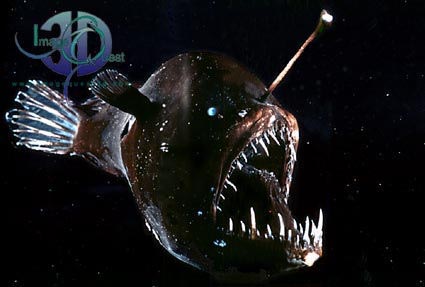
The Cassoulet de Poissons is possibly the best single dish we've had so far (tying with the Roast Chicken, but that is so familiar it almost doesn't count). Superbe! My experience with cooking fish is limited and wary -- I've cooked a lot of salmon, sole and scallops; have been known to experiment with crab, sushimi (if that counts), halibut and cod. I cooked trout caught by notre père in my teens, but nothing since then, and, while I've ordered a few other fish and seafood in restaurants, I've never had monkfish or even heard of whiting. (What little I know about monkfish -- that it is an anglerfish -- gives me the creeps. The anglerfish moment in Finding Nemo was truly terrifying. I don't want to eat anything that looks like that!)
For this recipe, I used Idaho farm-raised Rainbow Trout (whiting -- Merlangius merlangus -- are an Atlantic and Mediterranean fish). Unable to get monkfish (also an Atlantic fish, but I've seen it for sale around here), I used wild-caught Arkansas Catfish. (The fish seller said that the nearest thing to monkfish in flavor and texture is lobster! It's called the "poor man's lobster" in fact. Maybe someday I will have to try it.)
A note about economy: Although whiting is now becoming chi-chi, according to Wikipedia, it used to be considered food for pets. And monkfish, of course, is the poor man's lobster. The point made by The Bride holds -- these are dishes in which the main ingredients are simple and plain, even cheap (in theory, in France - here, the substitutions were trés cher).
The Miss...
I have cooked sponge cake before, and genoise, and angel cake -- I've baked the whole gamut of cakes. This sponge cake was flat, leaden, heavy, lumpy -- all in all, catastrophe. I believe I may have accidentally measured in an extra quarter cup of potato flour, but that doesn't seem to be enough to explain the thickness of the batter -- the yolk-sugar-flour mixture was clumpy (I whipped two extra egg whites to compensate for it, but it made no difference -- I still couldn't fold it all in to be smooth).
Even so, some of the eaters, notably the younger ones, liked the cake and asked for seconds and thirds. I found the flavor to be one-note, and the crème anglaise (unflavored) almost boring.
I froze the second paving tile -- urr, layer -- and plan to use it in a trifle, where the heaviness of it may be masked or even a benefit. The extra crème anglaise was excellent spooned over mincemeat pie, however.
And one hit down the foul line...
As a final note, I made the Summer Salad recipe sort of sideways, using frozen artichokes (in quarters, so they formed a layer under the rest rather than individual "dishes") frozen green beans and plain lettuce rather than endive (not available). Like Peaceable, I couldn't bring myself to slather on all that mayonnaise on the vegies, so I plopped a bunch on the top and served the rest on the side. It looked splendid.
However, we did not think the salad anything particularly special -- it was just a crunchy summer salad, much the style we often eat, but with lots more raw cauliflower (which is not a popular vegetable in the household). We've been eating up the leftovers for lunch with ordinary salad dressing, and the mayonnaise on sandwiches.
The Hit...
For this recipe, I used Idaho farm-raised Rainbow Trout (whiting -- Merlangius merlangus -- are an Atlantic and Mediterranean fish). Unable to get monkfish (also an Atlantic fish, but I've seen it for sale around here), I used wild-caught Arkansas Catfish. (The fish seller said that the nearest thing to monkfish in flavor and texture is lobster! It's called the "poor man's lobster" in fact. Maybe someday I will have to try it.)
A note about economy: Although whiting is now becoming chi-chi, according to Wikipedia, it used to be considered food for pets. And monkfish, of course, is the poor man's lobster. The point made by The Bride holds -- these are dishes in which the main ingredients are simple and plain, even cheap (in theory, in France - here, the substitutions were trés cher).
The Miss...
I froze the second paving tile -- urr, layer -- and plan to use it in a trifle, where the heaviness of it may be masked or even a benefit. The extra crème anglaise was excellent spooned over mincemeat pie, however.
And one hit down the foul line...
However, we did not think the salad anything particularly special -- it was just a crunchy summer salad, much the style we often eat, but with lots more raw cauliflower (which is not a popular vegetable in the household). We've been eating up the leftovers for lunch with ordinary salad dressing, and the mayonnaise on sandwiches.
Vivi Breezes through Menu #4
Jettisoning all extraneous things, like photos or long explanations, I'll just say that our household were not excited by the salmon crèpes (although I personally quite liked them, and thought there might have been more excitement if people had come to the table when called, not 20 minutes later, by which time the crèpes had cooled).
The Swiss Chard Gratin was, surprisingly, very well received. Swiss Chard has been, to me, the whitefish of green leafies -- it's not even green, for that matter. But now in the space of two months, I've had a delicious Swiss Chard and Arborio Rice Pie (sweet! rich, like a rhubarb bread, almost) and this Gratin, so it is moving up in my estimation.
I ignored the recipe for the lamb, instead cooking it â la Rodney (notre père) slathered in salt and rosemary, at 450°F for an hour, and it was delicious as always.
And I have so far entirely skipped the sorbet.
Do I have to go back and cook the leg of lamb in the Cordon Bleu manner? I will get to a sorbet someday -- can I do mango instead of pineapple?
The Swiss Chard Gratin was, surprisingly, very well received. Swiss Chard has been, to me, the whitefish of green leafies -- it's not even green, for that matter. But now in the space of two months, I've had a delicious Swiss Chard and Arborio Rice Pie (sweet! rich, like a rhubarb bread, almost) and this Gratin, so it is moving up in my estimation.
I ignored the recipe for the lamb, instead cooking it â la Rodney (notre père) slathered in salt and rosemary, at 450°F for an hour, and it was delicious as always.
And I have so far entirely skipped the sorbet.
Do I have to go back and cook the leg of lamb in the Cordon Bleu manner? I will get to a sorbet someday -- can I do mango instead of pineapple?
Wednesday, January 2, 2008
The Bride finally completes # 4, and learns something useful
We had the crepes from #4 last week, but I still had the lamb, the gratin of Swiss chard, and the pineapple givres to do, and I did them on New Years Day. We used the first of the organic lamb we bought and it was really good. I'd fixed lamb with garlic slivers before, but the technique of adding carrots and onions to the roasting pan part way through was new to me. And it was great! I always use the technique of deglazing / reducing the pan juices for gravy, but usually I add wine or broth. Using the veggies and water was so simple and it produced wonderful gravy. I'll definitely use that technique in the future.
After straining the pan juices, I mixed the veggies with dry dog food for Sheba and she loved it. That felt good, too.
The pineapple sorbet was fun and I had a great time following the directions on getting the pineapple out of the shell. It went perfectly and I felt like a professional. The COG took a picture, which I'll attach later. It was a little too sweet, but still refreshing after everything else.
The gratin, was.... OK, not my best effort at Bechamel - all that butter adds yumminess, so leaving it out affects the flavor. However, I was thinking about the menu while I cooked. The vegetable - Swiss chard - is a lowly garden staple. It grows like a weed starting in cool weather and thrives through the hot weather and into autumn. The principle of taking chard (or eggs or a little bit of salmon) and adding milk, flour and butter to make it more important and to fill the stomach - well it's an interesting example of French thriftiness. I think I'm learning something here.
Of course, if I were to do it, or something similar again, I'd figure out a way of using fewer than 4 pans (counting the mushroom pan and the bechamel pan, as well as ones for the leaves and stems) 3 bowls (for the leaves and the stems and the grated cheese)& a gratin dish. Although I guess one could argue that it is just another way of making something insignificant into something significant.
I also served roasted potatoes and parsnips and Brussels Sprouts in a mustard-lemon butter.
After straining the pan juices, I mixed the veggies with dry dog food for Sheba and she loved it. That felt good, too.
The pineapple sorbet was fun and I had a great time following the directions on getting the pineapple out of the shell. It went perfectly and I felt like a professional. The COG took a picture, which I'll attach later. It was a little too sweet, but still refreshing after everything else.
The gratin, was.... OK, not my best effort at Bechamel - all that butter adds yumminess, so leaving it out affects the flavor. However, I was thinking about the menu while I cooked. The vegetable - Swiss chard - is a lowly garden staple. It grows like a weed starting in cool weather and thrives through the hot weather and into autumn. The principle of taking chard (or eggs or a little bit of salmon) and adding milk, flour and butter to make it more important and to fill the stomach - well it's an interesting example of French thriftiness. I think I'm learning something here.
Of course, if I were to do it, or something similar again, I'd figure out a way of using fewer than 4 pans (counting the mushroom pan and the bechamel pan, as well as ones for the leaves and stems) 3 bowls (for the leaves and the stems and the grated cheese)& a gratin dish. Although I guess one could argue that it is just another way of making something insignificant into something significant.
I also served roasted potatoes and parsnips and Brussels Sprouts in a mustard-lemon butter.
Tuesday, January 1, 2008
Vivi starts to catch up
I've gotten out of sync with the rest of you, and with the book. Having missed the Sunday session of Lesson 3, I ended up making it the following Saturday, chez Maman, with Peaceable as sous-chef. Then I came back to the left coast and made most of Lesson 4 for Christmas meal -- the salmon crepes, the chard gratin and lamb (but not according to the Cordon Bleu recipe). For dessert for that meal, I made another Chocolate Mousse à la Lesson 3, accurately guessing that the chocolate paradise would be more favored than a mere fruit sorbet.
This is me and my sous-chefs at Christmas, mixing the mousse. They were quite helpful, both with plenty of experience with cooking (JG is an official former professional crepe maker -- but Algerian, not French, crepes -- and RJ is a foodie). They both got more light-hearted about the cooking as they consumed more holiday aquavit (or Jubal Ale, as the case may be). We were all pretty light-hearted by the time dinner was served.
For New Years Eve, I made the Cassoulet from Lesson 5, but for dessert, a mincemeat pie (Left Coast Brother and I have neglected most of the customary family holiday treats this year; this was the last cry for tradition). And tonight we had the Summer Salad and the Sponge Cake with a beef rib roast. As of tonight, I'm caught up, except for the fruit sorbet.
Summary: Lesson 3
One curious thing about the Chocolate Mousse: when Peaceable and I made it in the Midwest, we used a wonderful gourmet chocolate that tasted so good alone that we decided to leave off the 1/2 cup of sugar in the chocolate, and depend only upon the 1/2 cup of sugar in the egg whites. This produced a rich, dark, bittersweet mousse which sang the contrast to the Chantilly Cream over top -- but which was as dense and thick as a flourless torte.
Was it the absence of that sugar in the chocolate? Is there a chemical reaction of chocolate and sugar that makes the combination lighter and softer? When I made the recipe again for Christmas -- this time with a mix of Ghiradelli chips and Scharffen-Berger gourmet chocolate (cleaning up what we had in bits in the cupboard), with the 1/2 cup of sugar, the mousse was soft and pudding-like.
Both mousses tasted great, and neither was badly textured; they were just different from each other. (The photo is my second mousse -- I have a pastry bag, but neglected to find the nozzles, so had a plain 1-inch hole for a "shape".)
Also, in both mousses that I made, I used chopped, not crushed, hazelnuts. You can see the bumps in the photo. I liked the crunchy effect of the bits of toasted nut, but RJ pointed out that it would be smoother with crushed hazelnuts (and that the crunchiness could be achieved with a smattering of nuts over the top, which would look pretty, too).
Toasting note: hazelnuts are much easier to toast first and then chop/crush than to chop/crush and then toast.
As to the Veal Shanks with onions and mushrooms -- I found it quite uninteresting, and certainly not worth the effort to find veal or cost of the meat. The Egg Gratin was very tasty (but our bechamel sauce was too thick), but I think it unlikely I'll make it again.
For New Years Eve, I made the Cassoulet from Lesson 5, but for dessert, a mincemeat pie (Left Coast Brother and I have neglected most of the customary family holiday treats this year; this was the last cry for tradition). And tonight we had the Summer Salad and the Sponge Cake with a beef rib roast. As of tonight, I'm caught up, except for the fruit sorbet.
Summary: Lesson 3
One curious thing about the Chocolate Mousse: when Peaceable and I made it in the Midwest, we used a wonderful gourmet chocolate that tasted so good alone that we decided to leave off the 1/2 cup of sugar in the chocolate, and depend only upon the 1/2 cup of sugar in the egg whites. This produced a rich, dark, bittersweet mousse which sang the contrast to the Chantilly Cream over top -- but which was as dense and thick as a flourless torte.
Was it the absence of that sugar in the chocolate? Is there a chemical reaction of chocolate and sugar that makes the combination lighter and softer? When I made the recipe again for Christmas -- this time with a mix of Ghiradelli chips and Scharffen-Berger gourmet chocolate (cleaning up what we had in bits in the cupboard), with the 1/2 cup of sugar, the mousse was soft and pudding-like.
Also, in both mousses that I made, I used chopped, not crushed, hazelnuts. You can see the bumps in the photo. I liked the crunchy effect of the bits of toasted nut, but RJ pointed out that it would be smoother with crushed hazelnuts (and that the crunchiness could be achieved with a smattering of nuts over the top, which would look pretty, too).
Toasting note: hazelnuts are much easier to toast first and then chop/crush than to chop/crush and then toast.
As to the Veal Shanks with onions and mushrooms -- I found it quite uninteresting, and certainly not worth the effort to find veal or cost of the meat. The Egg Gratin was very tasty (but our bechamel sauce was too thick), but I think it unlikely I'll make it again.
Lesson 5: Mayonnaise, Crème Anglaise, Cassoulet
30 Decembre 2007
Salade Messidor
(Summer Harvest Salad)
Cassoulet de Poissons
(Fish and White Bean Stew)
Biscuit de Savoie, Crème Anglaise
(Sponge Cake with Crème Anglaise)
(Summer Harvest Salad)
Cassoulet de Poissons
(Fish and White Bean Stew)
Biscuit de Savoie, Crème Anglaise
(Sponge Cake with Crème Anglaise)
Subscribe to:
Posts (Atom)